





52 – EM1211 – SC BLUE PROJECTS SRL


Autor principal: Ecaterina Mihai
Coautori: Roxana Lyons, Ana Maria Calugareanu, Aifer Ibadula, Stefania Bulanga, Florin Ursache, Karim Refai, Sorin Jarcau
Colaboratori arhitectură: –
Colaboratori specialități: –

SCALE, DENSITY AND DIVERSITY FROM A HUMAN PERSPECTIVE
The main principles on which the proposal is based upon consist of a human scale approach for the new development:
DISTANCES , ROUTES and TRANSPORTATION
- 5-10 minutes walking distance neighborhood. Transportation hierarchy: 1. walking/ 2. cycling/ 3. transit/ 4. goods movement/ 5. cars (*car and bike sharing systems to be developed);
- re-establish walking to school (elementary and primary);
- human scale sidewalks and attractive streetscapes/ podium buildings (lower heights towards sidewalks and public areas);
- 7-10 minutes walking radius (~700-1000m);
- rich sidewalks: commercial, pedestrian, cycling lines, trees, public market, movable commercial, clever pavements (attractive), public art, flexible and attractive furniture;
FUNCTION:
- mixed use areas- flexibility and flexible regulations for future needs and development;
- embrace and manage complexity;
- interdisciplinary design processes;
- always require public involvement;
- sustainable population and economic growth.
GREEN AREAS:
- green network- accessible green areas various users, welcoming, public art;
- respect the natural and built context;
- local food production- food farms- market/gardens , permanent and seasonal gardens for the community;
- IT and ECOdesign research HUBs- computer aided systems for local food production- cooling, heating and irrigation system research;
- recycled water- stormwater ponds, draining swale proposed in roads design;
- floodable area- near the river;
- ~30 sqm green area per person.
COMMUNITY
- ”PLACE MAKING”- PEOPLE CENTERED APPROACH;
- always require public involvement in the design and approval process;
- insure social diversity and medium density (~100 families per hectare);
- public spaces for community use, seasonal market areas, local food stores, fair areas;
- different levels of use for public spaces, gradation of public and private accesibility;
- affordable housing for various income: social housing, housing for special needs;
- community organizations and institutions: collaboration and cooperation around specific problems;
- mixed area to include following services: food store, local food market, pharmacy, health clinic, drycleaners, salon, barbers, liquor store, elementary school, childcare, primary school, libraries, senior center, public arts center, community center, museum, cinema, theater, cafes, restaurants, bars;
- parking to be organized underground (park above parking).
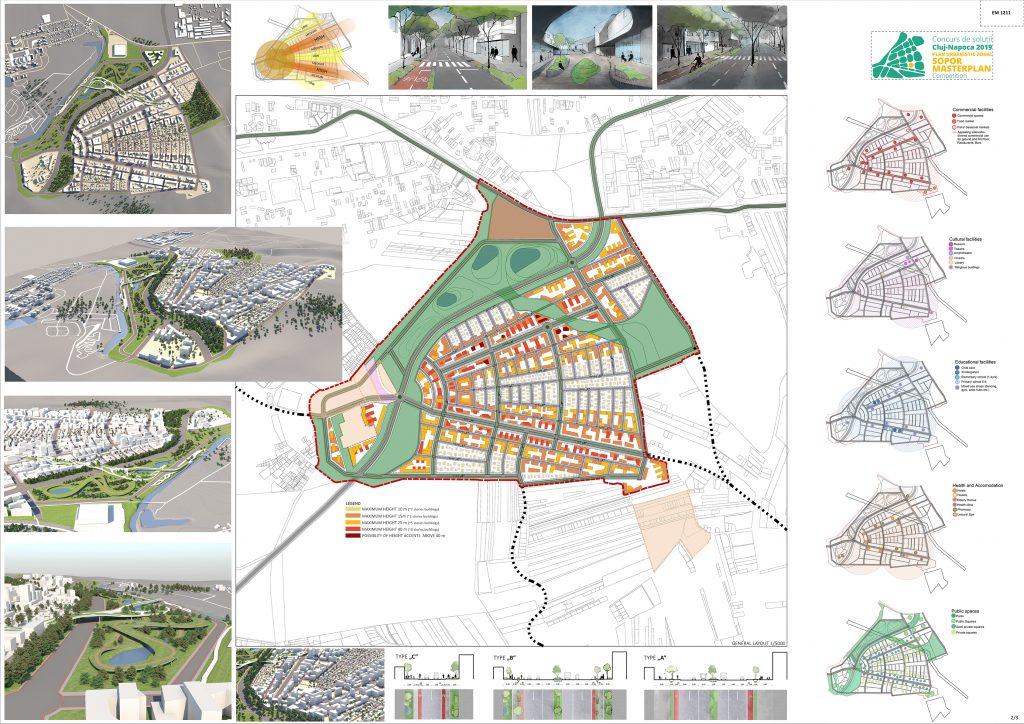
SUSTAINABLE NEIGHBOURHOOD DEVELOPMENT PRINCIPLES
SMART LOCATION AND LINKAGE
- Transportation and Street grid
Locate the project near mass transit;
Limit parking;
Encourage carpooling;
Promote alternative-fuel vehicles;
Bicycle Facilities;
Bike sharing & Car Sharing;
- New Neighborhood pattern & design
Smart location;
Increase density;
Protect habitat;
Walkable street;
Housing types and affordability;
Community outreach and involvement;
Local Food production;
GREEN INFRASTRUCTURE & BUILDINGS
- Water Efficiency
Indoor water use reduction;
Outdoor water use reduction;
Process water;
- Rainwater Management
Minimize impervious areas;
Control Rainwater;
Harvest Rainwater;
- Heat Island Reduction
Use reflective materials;
Use an open-grid pavement system;
Use Pavement material with high RF (Reflective Reference);
- Energy & Atmosphere
Energy Demand;
Renewable Energy;
District Heating and Cooling;
Light Pollution Reduction;
- Recycling
Recycled & Reused Infrastructure;
Wastewater Management;
Solid Waste Management;
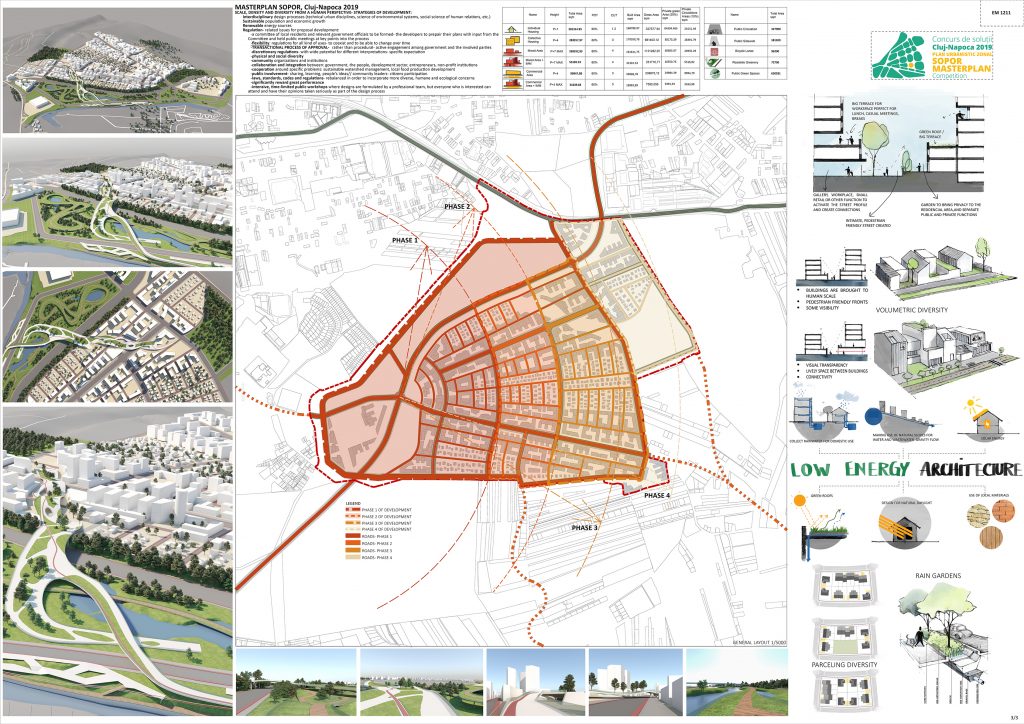
SCALE, DENSITY AND DIVERSITY FROM A HUMAN PERSPECTIVE- STRATEGIES OF DEVELOPMENT:
Interdisciplinary design processes (technical urban disciplines, science of environmental systems, social science of human relations etc.)
Sustainable population and economic growth
Renewable energy sources
Regulation – related issues for proposal development:
A committee of local residents and relevant government officials to be formed- the developers to prepair their plans with input from the Committee and held public meetings at key points into the process
- flexibility: regulations for all kind of uses- to coexist and to be able to change over time;
- TRANSACTIONAL PROCESS OF APPROVAL- rather than procedural- active engagement among government and the involved parties;
- discretionary regulations- with wide potential for different interpretations- specific expectation
- physical and social diversity;
- community organizations and institutions;
- collaboration and integration between: government, the people, development sector, entrepreneurs, non-profit institutions;
- cooperation around specific problems: sustainable watershed management, local food production development;
- public involvement- sharing, learning, people’s ideas// community leaders- citizens participation;
- laws, standards, codes and regulations- rebalanced in order to incorporate more diverse, humane and ecological concerns;
- significantly reward great performance;
intensive, time-limited public workshops where designs are formulated by a professional team, but everyone who is interested can attend and have their opinions taken seriously as part of the design process.